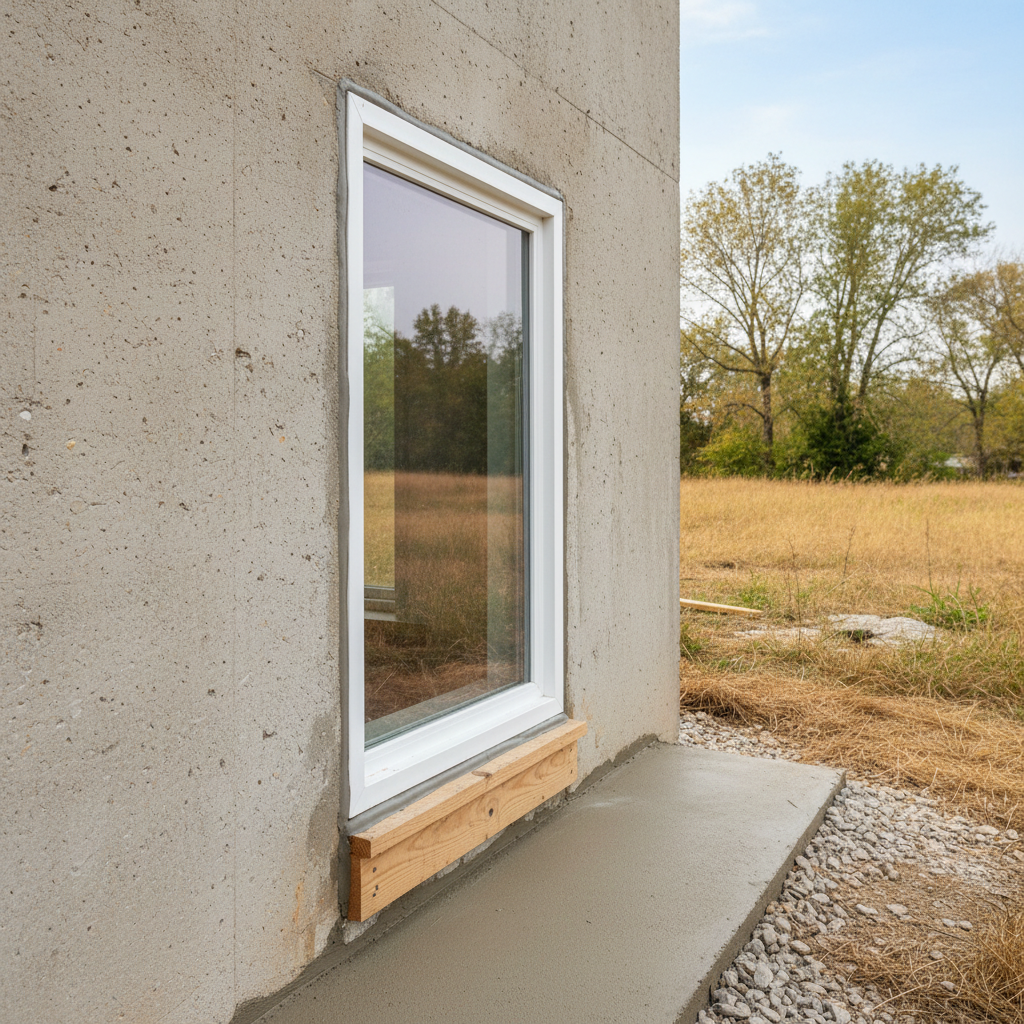
So, you're thinking about putting an egress window in your basement. Maybe you're finishing out a bedroom down there, or you just want more natural light and a safer way out. Smart move, I'd say. Egress windows aren't just about meeting building codes; they're about feeling secure and making your basement a much more inviting space. But what exactly does a project like that involve? And what parts can you realistically tackle yourself versus when you absolutely need to bring in a professional?
What Even IS an Egress Window?
First off, let's get clear on what an egress window actually is. It's not just any old window, you know. It's specifically designed to be big enough for someone to escape through in an emergency, and for a firefighter to get in. There are strict size requirements for the opening itself. And if it's below ground level, you'll also need an egress window well, complete with a ladder or steps. These aren't just suggestions; they're part of the building code. Here in Pittsburg, just like pretty much everywhere else, you have to hit these standards, especially if you're turning your basement into a bedroom.
Before You Start: Planning & Permits
This is where a lot of the upfront work happens. Honestly, you can handle a good chunk of it yourself, but some parts definitely need a pro's touch—or at least their advice.
- Check the Code: Your very first step? Head over to the City of Pittsburg's building department or check their website. Get the exact dimensions and rules for egress windows and wells. Don't even think about guessing. This part is crucial.
- Location, Location, Location: Where are you planning to put this thing? You'll need to think about what's on the other side of that wall – plumbing, electrical lines, HVAC ducts, even the structural integrity of your foundation. This is where a structural engineer might be a lifesaver, especially if you're cutting into a load-bearing wall. Seriously, don't mess with your home's structure without expert advice.
- Call Before You Dig: Seriously, call 811. Utility lines run all over the place, and hitting a gas line or electrical conduit is a really bad day waiting to happen. This isn't optional.
- Permits: You absolutely need a permit for this kind of work. The city will want to see your plans. Trying to skip this step is just asking for trouble down the line, including fines and potential headaches when you try to sell your home.
What you can do: Research the code, pick a general spot, call 811. What you probably need help with: A structural assessment, putting together detailed plans for that permit application.
During the Project: The Nitty-Gritty
Okay, you've got your permit, your plans are approved, and you're ready to get dirty. This is where the line between DIY and hiring a pro gets super clear.
The Excavation
You'll need to dig a hole for the window well. This hole has to be big enough for the well itself, plus some room to work, and it needs good drainage. Digging by hand is possible, especially if you're in an older part of town where the soil might be a bit looser. But around here, especially in some of the newer developments with more clay-heavy soil, it can be a real beast. Plus, you need to dig deep enough for proper drainage. If you're not up for a serious workout or don't have access to a small excavator, this is a good spot to bring in a landscaper or an excavation crew.
Cutting the Foundation
This is the big one, folks. Cutting a hole in your concrete or block foundation is NOT a DIY job for most homeowners. We're talking about heavy-duty tools, dust control, and, most importantly, knowing exactly how to cut without compromising your foundation. This is where a professional, like Neighborly Window Installation, really shines. We've got the specialized saws, the experience, and the know-how to do it safely and correctly. Trying to DIY this can lead to structural damage, water leaks, and a whole lot of regret. Trust me.
Installing the Window & Well
Once the opening is cut, the window itself needs to go in, get flashed properly, and sealed up tight. Then the window well goes in, anchored to the foundation, with proper drainage. The well also needs to be backfilled correctly to prevent issues later on. While some handy homeowners might try installing the window, getting the flashing and sealing absolutely perfect is critical to prevent water getting in—which is a major headache you definitely want to avoid. And getting the well anchored and backfilled right is key to its stability.
After the Project: Finishing Touches & Maintenance
You're almost there! The heavy lifting is done, but there are still a few things to think about.
- Interior Trim: Once the window is in, you'll need to frame out the inside opening and trim it. This is definitely a DIY-friendly task if you're comfortable with basic carpentry.
- Landscaping Around the Well: Make sure the ground slopes away from your window well to direct surface water away. You might want to add some decorative rock or plants around the well, but keep them clear of the actual window and ladder.
- Maintenance: Keep your window well clear of leaves, dirt, and debris. Check the drainage every now and then. Make sure the window opens freely and the ladder (if you have one) is secure.
So, can you DIY an egress window? Parts of it, sure. The planning, the digging (if you're feeling brave), and the finishing touches are all within reach for a determined homeowner. But when it comes to cutting your foundation, installing the window perfectly to stop leaks, and making sure everything meets code, that's where calling in a local pro like Neighborly Window Installation is the smartest move you can make. We've seen too many homeowners try to cut corners and end up with bigger, more expensive problems down the road. Better to do it right the first time, wouldn't you agree?