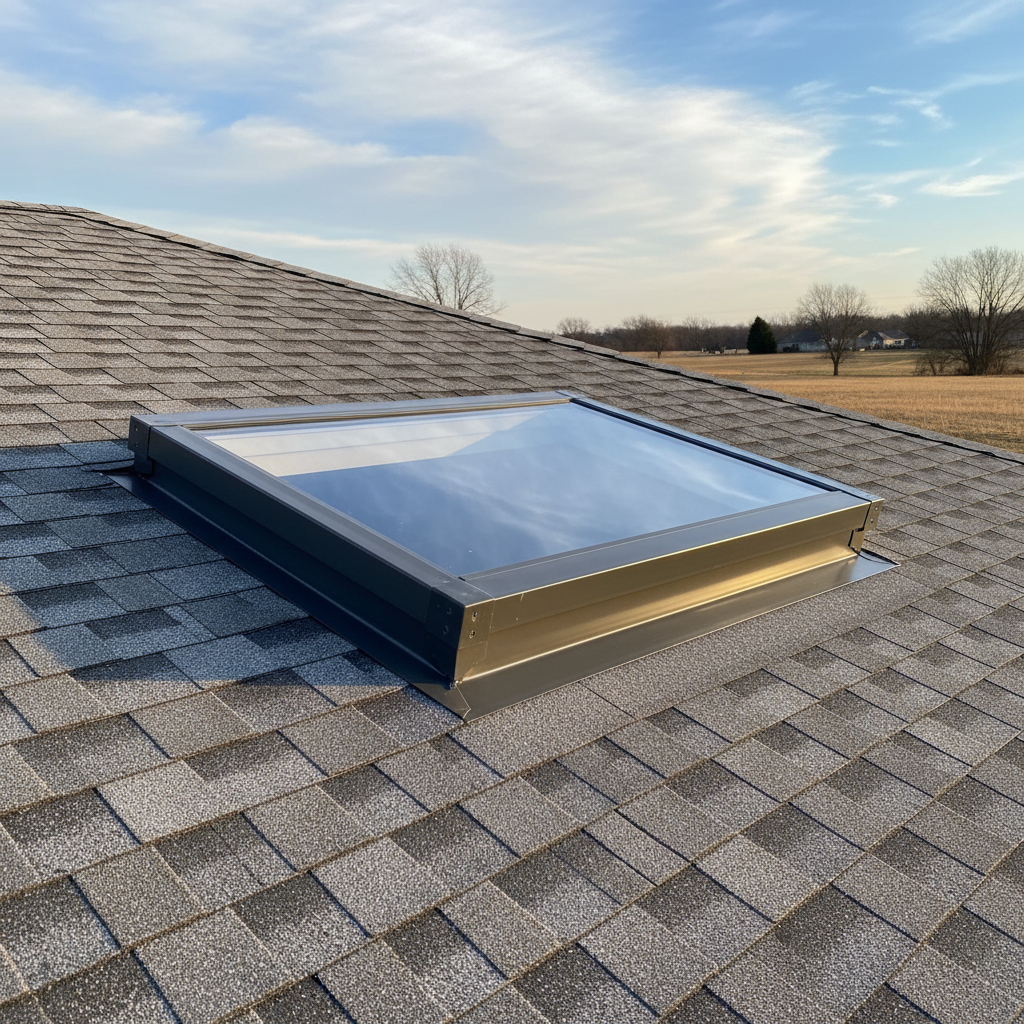
Alright, let's talk skylights. You're probably picturing more natural light, a brighter room, maybe even a starry night view from your living room. It's a great idea, and a well-placed skylight really can transform a space. But before you start cutting a hole in your roof, you need to understand what you're getting into. This isn't like hanging a picture frame; it's a big home improvement that affects your roof's integrity and your home's energy efficiency.
Before You Even Think About Cutting
First things first, what kind of skylight are we even talking about? You've got fixed skylights, which are just for light, and then vented ones that open up for airflow. Vented skylights are awesome for bathrooms or kitchens where you want to get rid of humidity, but they're also more complex and expensive. Then there's the material: glass or acrylic. Glass is usually better for how long it lasts and how clear it is, but it's heavier and can break easier if something really heavy hits it. Acrylic is lighter and more impact-resistant, but it can scratch easier and might yellow over time.
Next, consider your roof. What's it made of? Asphalt shingles are pretty common around here, especially in neighborhoods like the one near Pittsburg State University. Metal roofs are a different beast entirely. You'll also need to think about your roof's pitch. A super flat roof needs different flashing and a different curb than a steeply pitched one. And what's underneath that roof? You need to know if there are any electrical wires, plumbing, or structural elements in the way where you want to put that skylight. You definitely don't want to cut into a main beam, believe me.
Permits. Don't skip this step. In Pittsburg, like anywhere else, you'll likely need a building permit for any structural modification to your roof. This isn't just red tape; it's about making sure the work is done safely and up to code. If you try to sell your house later and there's unpermitted work, it can cause real headaches.
The DIY vs. Pro Decision: Be Honest With Yourself
Can you install a skylight yourself? Maybe. If you're really handy, comfortable on a ladder, understand roofing, and have a good grasp of carpentry, you might be able to tackle a fixed skylight in a straightforward roof. You'll need to be precise with your measurements, careful with your cuts, and meticulous with your flashing. Water leaks are no joke, and a poorly installed skylight will lead to a very expensive repair down the road. I've seen it happen. Water finds a way, especially with our Kansas thunderstorms.
Here's when you absolutely should call a pro:
- If you're dealing with a complex roof structure: Anything beyond a simple shingle roof with a consistent pitch.
- If you're unsure about framing or structural support: Cutting into your roof means reinforcing the opening. If you don't do this right, you compromise your roof's integrity.
- If you're installing a vented or electric skylight: Wiring and proper sealing for moving parts add layers of complexity.
- If you're not comfortable working at heights: Safety first, always.
- If you value your warranty: Many skylight manufacturers will void their warranty if a certified professional doesn't install the unit.
For most homeowners, especially for their first skylight, I'd say call a professional. It's an investment, and you want it done right. At Neighborly Window Installation, we've got the experience to handle these jobs efficiently and correctly, ensuring your new skylight is leak-free and adds value to your home.
During Installation: What to Expect
If you're hiring us, or another reputable contractor, here's the general rundown. We'll protect your home and yard, set up scaffolding or ladders safely, and then the cutting begins. We'll frame out the opening precisely, install the skylight curb (if needed), and then set the skylight itself. The most critical part is the flashing. This is what directs water away from the skylight and prevents leaks. It's a multi-layer system, and it has to be perfect. Inside, we'll finish the rough opening, which usually involves drywall and paint, to make it look seamless with your ceiling.
After Installation: Enjoy and Maintain
Once it's in, enjoy the light! You'll notice a huge difference. But your job isn't entirely over. You'll want to keep an eye on it, especially after heavy rain or snow. Check for any signs of leaks around the edges. Clean the glass periodically, just like you would with your windows. For vented skylights, make sure the operating mechanism stays clear and lubricated if needed. Snow accumulation in the winter can be an issue; make sure it's not piling up and sitting on the skylight for extended periods, as that can stress the seals.
A skylight is a fantastic addition to any home, bringing in that much-needed natural light. Just make sure you approach the project with a clear understanding of what it entails, and don't hesitate to bring in the pros when the job calls for it. It's worth it for the peace of mind and a job done right.